Vote
Philadelphia dental implants
Beyond Philadelphia Dentistry: Evaluating Mexico, Turkey, and Hungary for Affordable High-Quality Dental Care
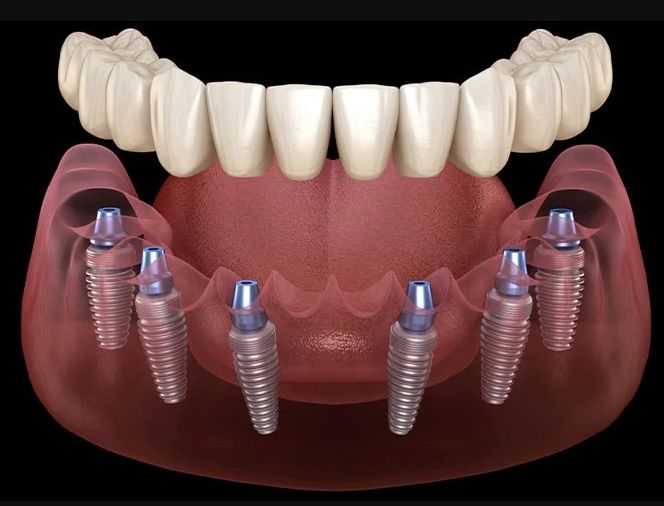
For many Americans, especially those in and around Philadelphia, the cost of dental treatment — whether it’s routine care, advanced restorations, or full-mouth rehabilitation — can be prohibitively expensive. Routine procedures like crowns, root canals, and implants often carry high out-of-pocket costs even with insurance, and for major restorative work, prices can climb quickly into the tens of thousands of dollars.
This situation has driven a growing number of patients to consider dental treatment abroad. Traditionally, Mexico has been the go-to option for U.S. dental travelers. Increasingly, however, patients are also looking to Turkey and Hungary for high-quality dentistry at a fraction of U.S. prices. For residents in Pennsylvania, New Jersey, Delaware, and surrounding states, a major development in 2026 is especially noteworthy: direct flights between Philadelphia (PHL) and Budapest (BUD) starting in May 2026. This new route significantly improves accessibility to European dental care — particularly in Budapest — making it a very practical alternative to domestic treatment.
This expert review examines each of these international options — Mexico, Turkey, and Hungary — comparing clinical quality, cost, travel logistics, patient experience, and long-term value for U.S. dental travelers. The goal is to help you make an informed decision about where to seek dental care beyond Philadelphia.
Why Americans Explore Dental Treatment Abroad
Dental treatment costs in the United States are high by global standards, and even with dental insurance or discount plans, many patients still pay significant portions of the bill themselves. Common reasons patients consider treatment abroad include:
-
Significant cost savings on major procedures
-
Access to advanced dental technology
-
Comprehensive treatment packages
-
Flexible scheduling and faster treatment timelines
-
Vacation combined with dental care
At the same time, choosing to travel for dental care isn’t simple logistics — it’s a multidimensional decision that must balance quality, safety, cost, travel convenience, and aftercare.
Mexico: Proximity and Cost Savings with Variable Quality
Why Many Philadelphians Consider Mexico
Mexico has long been the most popular dental tourism destination for Americans. Its proximity — often just a short flight for East Coast residents — and significantly lower prices compared to U.S. dental fees make it an easy first choice.
Many Mexican clinics near border cities like Tijuana and Cancun cater specifically to U.S. patients, offering services across a wide range:
-
Crowns and bridges
-
Root canals
-
Dental implants
-
Full-mouth rehabilitations
Some locations also package accommodation and transportation to streamline the patient experience.
Clinical Quality: A Mixed Landscape
Mexico’s dental clinics run the gamut from highly reputable, modern facilities to smaller practices with inconsistent standards. It’s crucial for patients to thoroughly research clinics and dentists, looking for verified reviews, clear credentials, and transparency about materials and technology used.
Reputable Mexican clinics often:
-
Use digital diagnostics like 3D imaging
-
Offer well-known implant brands
-
Follow international sterilization and safety protocols
However, quality can vary greatly from clinic to clinic, and because licensing standards differ from the U.S., due diligence becomes essential. For major procedures like full-mouth implants or extensive restorative work, thorough research and verification are particularly important.
Travel Logistics
For Philadelphia-area patients, Mexico typically offers relatively short travel times compared to European destinations. Depending on the city, flights from Philadelphia to Mexican dental centers might range from 4 to 6 hours with a layover or connection.
Despite the shorter travel time, patients often face:
-
Multiple flight connections depending on destination
-
Coordination of hotel stays and transfers
-
Time off for healing and follow-up care
Overall, Mexico can be a strong option for patients looking to combine proximity with savings, especially for less complex procedures.
Turkey: Advanced Infrastructure with Robust Dental Tourism Services
Overview of Dental Care in Turkey
Turkey has rapidly become one of the world’s most visited destinations for dental tourism. Cities like Istanbul and Antalya host a large number of clinics that provide extensive dental services to international patients, supported by well-developed medical and tourism infrastructure.
Turkish clinics often specialize in:
-
Dental implants and all-on-4/full arch solutions
-
Cosmetic dentistry and veneers
-
Prosthetics and restorative dentistry
-
Digital smile design and full treatment planning
Many clinics serve patients from Europe, the U.S., and the Middle East, and tailor their processes accordingly.
Clinical Standards and Technology
Clinics in Turkey generally offer a high level of clinical technology, including:
-
3D imaging and digital planning
-
CAD/CAM prosthetics
-
Modern sterilization and hygiene systems
-
Use of reputable implant systems
Doctors and dental teams often have international training or affiliations with global dental organizations. Clinics targeting international patients typically provide English-speaking coordinators, clear treatment planning, and assistance with travel logistics.
Cost and Value
Turkey is often cited as one of the most cost-effective options for major dental care. Full arch treatments, including implants and fixed prosthetics, can be significantly less expensive than similar treatments in the U.S. or even Mexico.
Many clinics package:
-
Airport transfers
-
Hotel arrangements
-
Treatment scheduling
-
Post-treatment guidance
This bundled approach can simplify logistics but requires careful review of inclusions, materials, and timelines.
Travel Considerations
While Turkey’s dental tourism infrastructure is excellent, travel from the U.S. usually involves at least one layover — typically through major European or Middle Eastern airports. This can increase travel fatigue compared with Mexico, and patients need to account for:
-
Longer total travel time
-
Time zone adjustments
-
Coordination of multiple visits for staged treatments
For full arch rehabilitation and other staged procedures requiring return visits, this can make planning more complex.
Hungary: Budapest as a Central European Dental Hub
Why Budapest Is Different — and Increasingly Practical
Hungary, and particularly Budapest, has earned a reputation as one of Europe’s leading destinations for dental care. For decades, Hungarian clinics have hosted international patients — especially from Western Europe — for implants, prosthetics, and restorative dentistry.
The major shift in 2026 is logistical rather than clinical: American Airlines is launching direct flights between Philadelphia and Budapest starting May 2026, a development that changes the travel dynamics for U.S. dental travelers. Suddenly, Budapest is no longer a remote, multi-stop destination — it’s directly accessible in under nine hours.
This flight connection transforms Budapest from an “interesting option” to a practical alternative to domestic and Mexican dental care, particularly for patients on the East Coast.
Clinical Standards and Expertise
Dental clinics in Budapest are known for:
-
EU-regulated healthcare standards
-
Rigorous hygiene and sterilization protocols
-
Use of modern diagnostic tools like 3D imaging and digital treatment planning
-
High-quality implant systems from global manufacturers
Many practices also include in-house laboratories, which improves communication between clinicians and technicians, often resulting in better-fitting restorations and shorter turnaround times.
Full Arch Rehabilitation Capabilities
Hungarian clinics specialize in both single implants and complex, multi-implant full arch solutions — including All-on-4, All-on-6, and hybrid prosthetics. These procedures combine surgical placement with fixed prosthetic solutions designed to restore chewing function, aesthetics, and long-term durability.
Some benefits of seeking full arch rehabilitation in Budapest include:
-
Detailed pre-treatment planning with digital tools
-
Experience with high-volume restorative cases
-
Multidisciplinary teams handling surgery, prosthetics, and follow-up care
-
Structured packages that include diagnostics, surgery, impressions, and prosthetic delivery
Cost Comparison
While specific pricing varies by clinic and complexity of the case, Hungary — and Budapest in particular — typically offers:
-
Lower All-on-4 and full arch costs than U.S. clinics
-
Competitive pricing compared with Turkey and Mexico
-
Transparent pricing structures with clear inclusions
When combined with direct flight savings and simplified travel logistics (no layovers), Budapest can deliver excellent total value for patients.
Travel Logistics and Planning
The direct Philadelphia–Budapest flight changes the travel experience significantly:
-
No layovers — reduced travel fatigue and fewer opportunities for delay
-
Easier coordination for multiple visits
-
More efficient use of vacation/time off for treatment and healing
-
Simplified scheduling for staged procedures
For patients who require staged care — such as initial surgery and later prosthetic placement — this direct link can reduce travel complexity and increase confidence in returning for follow-ups.
Comparing the Alternatives
To help frame the decision, here’s a practical comparison of each destination across key factors important to U.S. dental travelers:
Clinical Quality and Standards
-
Mexico: Varies significantly between clinics — excellent options exist, but research is essential.
-
Turkey: Many clinics use modern technology and well-trained teams, but standards can vary.
-
Hungary (Budapest): Consistently high clinical and regulatory standards under EU frameworks.
Cost and Value
-
Mexico: Often lowest cost, particularly for routine or smaller restorative procedures.
-
Turkey: Strong value for implants and full arch, with good package deals.
-
Budapest: Very competitive overall, especially for full arch and complex restorative care when combined with travel savings.
Travel Convenience
-
Mexico: Generally shortest travel and proximity benefit for East Coast patients.
-
Turkey: Longer travel with layovers.
-
Budapest: Direct flights from Philadelphia starting May 2026 — significant convenience advantage.
Aftercare and Continuity
-
Mexico: Easy for follow-up if close to border states, but continuity beyond final visit can be challenging.
-
Turkey: Return visits require planning and more travel.
-
Budapest: Easier repeat visits due to direct flights, better support for staged care.
Patient Experience and Communication
-
Mexico: Many clinics are bilingual and patient-oriented; quality varies widely.
-
Turkey: Many international-patient services and coordinators; English widely spoken.
-
Budapest: EU standards with strong patient communication support in English and other languages.
Travel and Healing Time Considerations
For multi-stage treatments like full arch rehabilitation, the travel factor isn’t just about getting there — it’s about how well you can rest, heal, and return for follow-ups:
-
Mexico: Quick travel but possibly limited time for in-country healing between stages.
-
Turkey: Mid-range travel length but longer flights can impact healing comfort.
-
Budapest: Direct flight minimizes travel fatigue, making healing time between visits more restful and efficient.
Patients often underestimate how much travel fatigue affects recovery — especially after surgery. Less time in transit can translate to more comfortable and effective healing.
Real Patients, Real Outcomes
Patient reviews and experiences — while always subjective — can offer insights into how these destinations deliver care.
-
In Mexico, satisfied patients often cite cost savings and ease of travel for simpler treatments.
-
In Turkey, patients report strong support services and comprehensive care packages, but travel logistics can be more demanding.
-
In Budapest, reviews frequently highlight the professionalism, clarity of treatment planning, and seamless communication, alongside praise for the direct flight convenience between Philadelphia and Budapest.
When possible, connecting with patients who have completed procedures in your chosen destination and clinic can provide valuable perspective on treatment outcomes and what to expect.
Making the Right Choice for You
Choosing where to receive dental care — especially major restorative procedures like full arch rehabilitation — is a highly personal decision. U.S. patients should consider:
-
Clinical credentials and technology of specific clinics
-
Transparency in pricing and treatment plans
-
Travel logistics and comfort
-
Aftercare support and continuity of care
-
Language communication and patient coordination
For Philadelphia and East Coast residents in particular, the introduction of direct flights to Budapest beginning May 2026 is a significant milestone. It reduces travel barriers, improves patient confidence in returning for staged care, and positions Budapest as an excellent alternative to both domestic treatment and other dental tourism hubs.
Conclusion — Budapest as a Practical, High-Quality Alternative
All three destinations — Mexico, Turkey, and Hungary — offer viable alternatives to Philadelphia dentistry, particularly for patients willing to travel for savings and quality care.
Mexico remains a strong choice for proximity and cost savings on many procedures, and Turkey is a well-organized option with advanced clinics suited for international patients. However, Budapest stands out for its blend of clinical quality, EU regulatory standards, multilingual support, and now unprecedented U.S. accessibility thanks to direct flights from Philadelphia.
For anyone considering significant dental work — implants, full arch restorations, prosthetic rehabilitation, or complex restorative care — Budapest dental services deserves serious consideration as a destination where quality, convenience, and cost converge in a patient-friendly way.